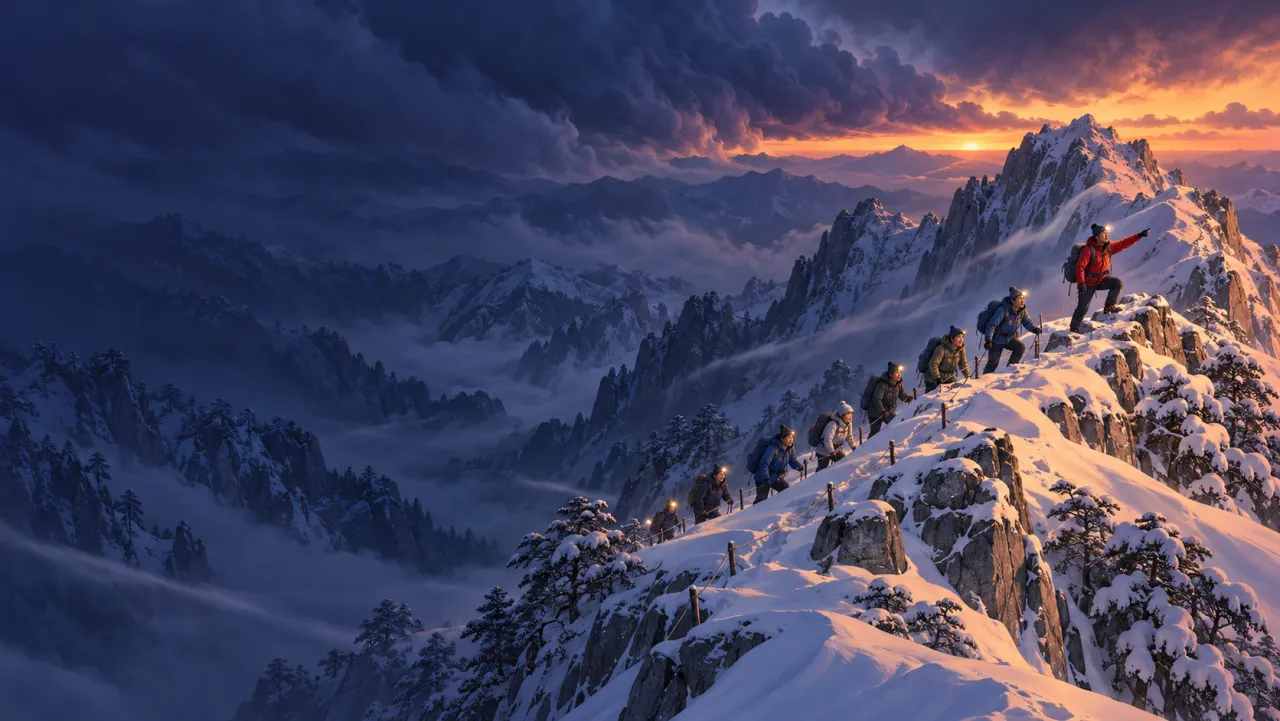
Seoraksan Survival: Can You Make It Through a −15°C Night?
▶ Play free nowNo install · phone or PC · 3–4 minutes a run“Winter Seoraksan, a Night at −15°C” is a free, choice-based distress survival game you play right in your browser. After last October’s accident on the West Sea mudflats, the company booked a January New Year hike for “team-building recovery.” Everyone must attend. The new Executive Ko Seok-jin, decked out in full Gore-Tex and waving his trekking poles, announces: “We’re hitting the summit and taking a group photo!” Sunset is at 17:32, and a blizzard warning is in effect from the afternoon. The trails, closure times and characters are all fictional.
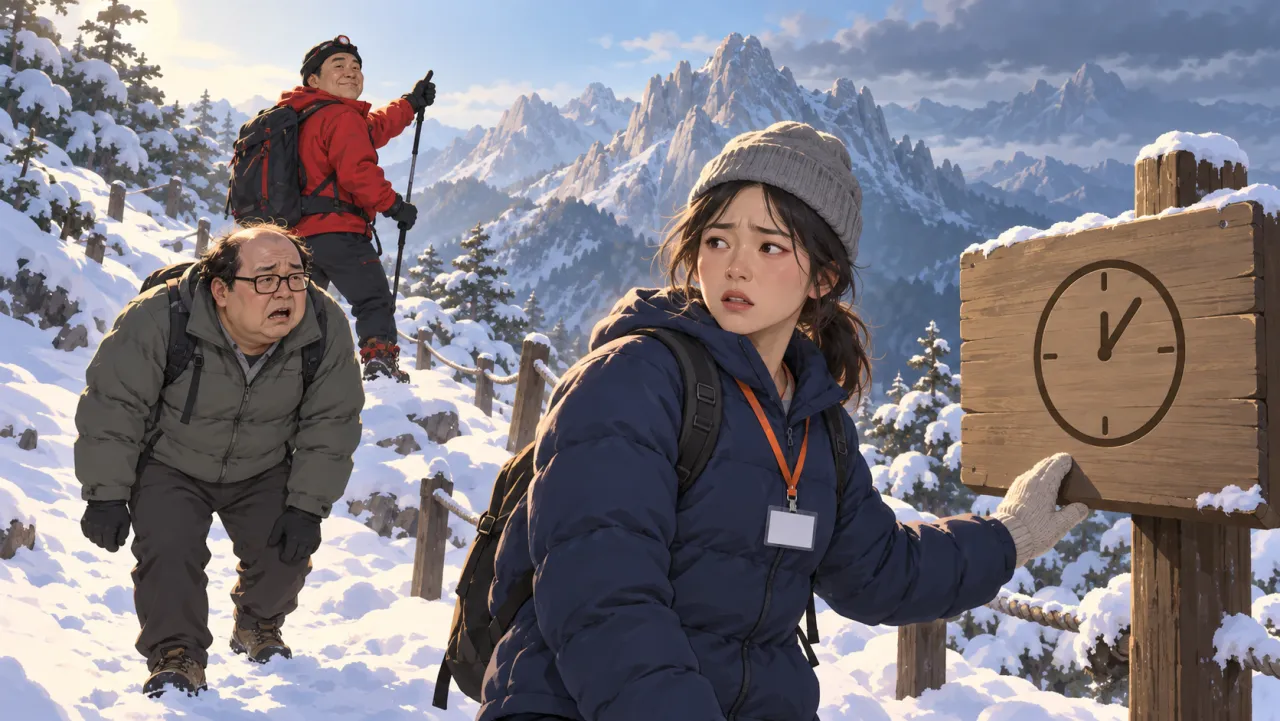

How the distress simulation plays
The correct choices come from the Korea National Park Service winter hiking safety guidance, the Ministry of the Interior and Safety (Korea) guidance on national grid location numbers and what to do when lost, the fire services (119) mountain accident reporting guidance, and the Korea Disease Control and Prevention Agency (KDCA) cold-illness guidance. The wrong choices are mistakes people really make. One run takes 3–4 minutes.
- The hike (time passes quickly): The closure time has passed. Do you speak up about heading down, or follow the executive to the summit? Check the weather warning, cut down on sweating, save phone battery, borrow crampons (the executive won’t lend his).
- Ice, 1.7 seconds: The instant the blizzard hits, the ground under your feet is ice. Do you crouch low or try to stand firm?
- Blizzard, 24 seconds: Gusts, Jiwoo slipping, and the executive heading down off-trail into a valley because it is a “shortcut.” If you can’t choose within a few seconds, things get worse.
- After getting lost (before dark): Find the yellow national grid location number sign, call 119, change out of wet socks, dig a snow windbreak behind a rock, gather your scattered teammates. In a valley there is no signal — do you climb back up or go further down?
- Holding out (night): The lights go out, a pile of snow comes down, and there is breathing in the dark and a figure in the blizzard (jump scares). The team lead’s soju, thirst, drowsiness, battery, and the executive’s false radio call on the rescue channel: “Our whole team has come down.”
- Rescue: How do you signal the rescuers’ lights or the helicopter? Do you run to them first, or head down on your own?
The 📻 button at the lower right is a phone / event walkie-talkie. Tune to a channel (119 control room, mountain rescue channel, Team 3 radio, emergency broadcast); you need a signal to hear it clearly, and it drains the battery while it is on. At the end you get your body heat loss, the time it took to be rescued, the safety rules you followed and the mistakes you made, and the executive’s fate.
Story, random events and perks
The story follows the scenario above exactly (the blizzard arrives around 3 p.m.). The random events change every run: when the blizzard hits, how cold the night gets, and whether a wild animal shows up. Each run also gives you one random perk, and each perk opens its own special choices.
- 🩺 Company clinic nurseRecognizes hypothermia symptoms · Changes wet clothes and wraps frostbitten areas properly
- 🔧 Facilities technicianDigs a windbreak fast with poles and a lunchbox lid, no snow shovel needed
- 🦺 Safety Team Assistant ManagerSafety-training lead — “It's closure time, let's head down” carries weight
- 📦 General affairs asst. managerThe event bag holds spare crampons, an emergency blanket and hand warmers
- ☕ In-house café baristaBrought a flask full of hot water · Calms people with warm water
- 🔦 Security guardAlways carries a flashlight and spare batteries · Stays calm in the dark
- 💻 IT developerHas a power bank · Reads the phone's GPS accurately to report
- 📢 PR team stafferSums up the situation on the radio, short and exact · Corrections to lies land well
- 🛋️ Incoming hire, already confirmed (dragged along on the hike)Has nothing to lose, so flatly says “No” to the executive · Stocked up on hand warmers and chocolate bars from convenience-store shifts
- 🚴 Rider from a hiking club, called in as a guideToughened by winter deliveries — insulated gloves and a neck warmer are second skin · Handles the cold well
- 🧹 The building custodianAlways packs spare gloves and socks · Changes wet ones right away
The villain: Executive Ko Seok-jin
A new sales executive (53). At first he looks like a reassuring leader. But he pretends not to see the closure time, keeps the crampons, headlamp and spare batteries only in his own backpack, drags the team off the trail on an off-trail “shortcut” in the blizzard, and when he reaches a shelter alone, he tells the rescue channel “everyone is down” to save face. If you record him or correct him over the radio, his fate on the result screen changes.
10 survival tips
- When there is a closure time or weather warning, suggest heading down instead of the summit.
- While walking, open zippers and slow down so you don’t get soaked in sweat.
- Put your phone in power-saving mode from the start and keep it in an inner pocket.
- On ice, crouch low and brace with your hands or poles.
- Even if someone calls it a “shortcut,” don’t leave the designated trail.
- If you are lost, stop. Don’t go down into a valley; go back the way you came or up to the ridge (the signal is better on the ridge too).
- Find the yellow national grid location number sign, report the number to 119, and stay where you reported.
- Change out of wet socks and gloves right away, dig a snow windbreak behind a rock, lay your backpack down as insulation and sit close together.
- Alcohol and snow steal body heat. Share warm water and snacks. If someone gets drowsy, keep each other awake.
- Correct a wrong radio call (“everyone is down”) with the rescuers right away. When they arrive, wave a light or bright clothing and wait for instructions.
24 outcomes
12 where you survive and 12 where you don’t. Compare outcomes of the same kind.
 Mountain instructor typeYou turned back at the closure time, stopped and reported when lost, blocked the wind and changed wet clothes. Textbook.
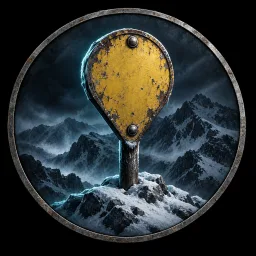 Coordinate readerTwo Korean characters on a yellow plate, eight digits. Those ten characters brought the rescuers.
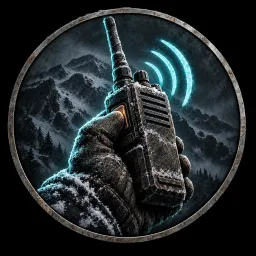 False-radio sniperYou corrected the lie “everyone's down” with a single radio line.
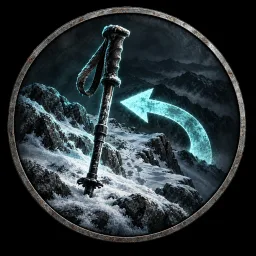 The one who knows when to turn backYou chose descent time over a summit photo. The hardest kind of courage.
 Snow-windbreak architectA snow wall dug with bare hands cut through the night wind.
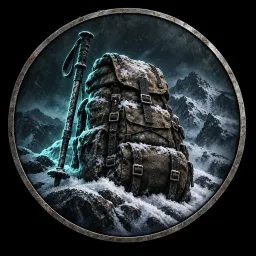 Master of staying putYou never moved a step from where you reported. The rescuers came to exactly that spot.
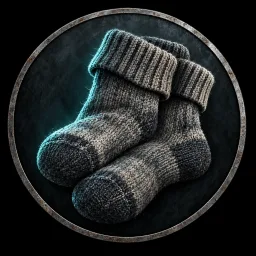 Hero of one pair of socksYou warmed a wet teammate's feet and gave up your spare socks.
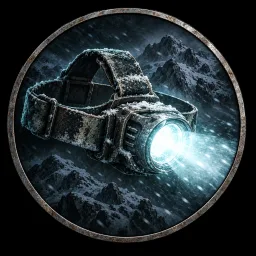 Light signallerTo the shadow in the blizzard you blinked a light instead of fleeing. Seo-jun came back.
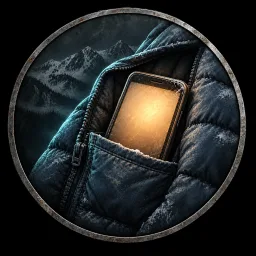 Battery craftsmanEven at −15℃ you kept the phone close and protected it. The final call was possible.
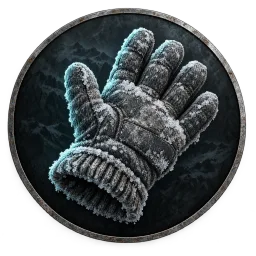 Frostbite survivorFrozen badly, but alive. Maybe it'll be less cold next time?
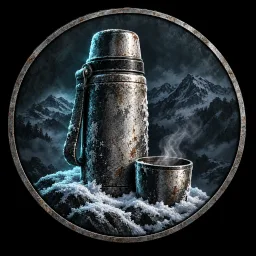 The cool-headed survivorYou got through the long night without major mistakes.
 The lucky-break survivorFull of mistakes, but survived. Will luck hold next time?
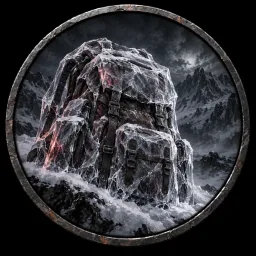 The frozen nightWindbreak and report both came too late. The night was longer than expected.
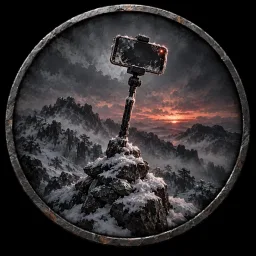 Summit certification photoThe photo turned out well. There was no time left to come down.
 End of the shortcutAt the end of the executive's shortcut there was a frozen waterfall instead of a village.
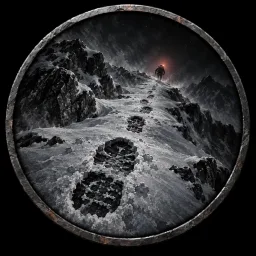 Executive's followerYou followed the lone headlamp. The light never looked back.
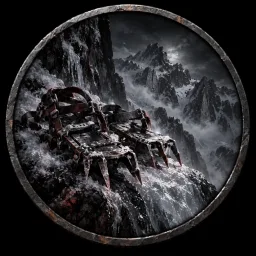 A step on iceFeet without crampons, a hurried step.
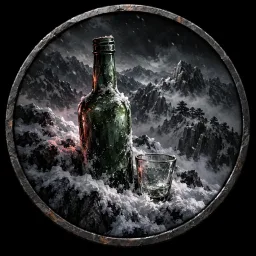 Warmth of one cup of sojuIt felt warm. It was the feeling of the body cooling down.
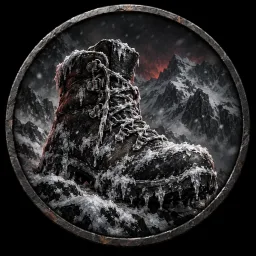 Wet socksThe socks to change into were inside the backpack.
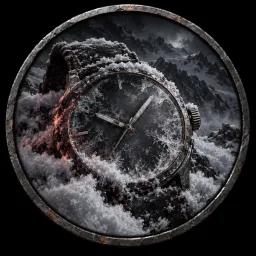 The one who closed their eyes for five minutesIt was just five minutes. Nobody noticed the shivering had stopped.
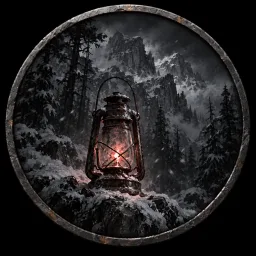 The one who followed the lightYou followed a light and a voice in the dark. Nobody was there.
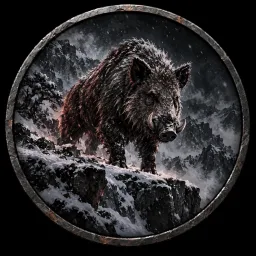 Running with a wild boarYou turned your back and ran. The rock ledge came before the boar.
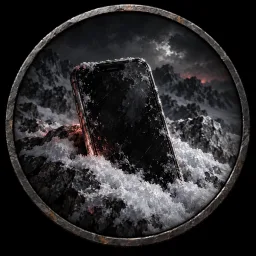 A place nobody knowsYou couldn't tell anyone where you were. The search only began in the morning.
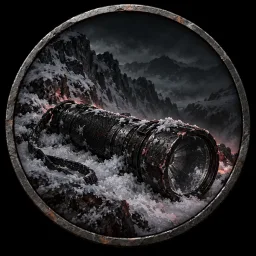 Erased by a lieOne radio line, “everyone's down,” stopped the search. There was a chance to correct it.
The Distress series
Why does Seongsu Team 3’s reward vacation end in an accident every time? After Episode 1 on the West Sea mudflats and Episode 2 in winter Seoraksan, a “workplace-injury consolation” reward cruise awaits in May. For real winter mountain survival advice, based on official sources, see Winter mountain survival tips.
FAQ
Is the distress game free?
Yes. It is a completely free browser game with no payments and nothing to install. It works on phones, tablets and PCs.
How long does one run take?
Mostly 3–4 minutes. The blizzard moments play out in real time, while the hike and the night pass quickly.
Are these real Seoraksan trails and closure times?
No. The trails, closure times, characters and company are all fictional. Before a real hike, check the trail closure information on the Korea National Park Service website.
Are there jump scares?
At night there are 2–4 sudden events (lights going out, a wild boar, a pile of snow falling, a figure in the blizzard). You can switch to “Milder jump scares” on the start screen.
What are the most important choices?
Turning back at the closure time, not leaving the trail, reporting to 119 with your national grid location number where you are if you get lost, and blocking wind and wetness.
Can I correct the executive’s lie?
Yes. Correct it on the rescue channel, or record it and tell the rescuers, and the “executive’s fate” on the result screen changes.
What happens if I choose by gut feeling?
About 9 out of 10 bots that chose by gut feeling died. If you choose only the right answers, everyone survives.
What is the next episode?
Episode 3 of the Distress series is a lifeboat drift that begins on the May reward cruise.